
Learn how to choose a retail tenant representation broker in Houston, from market experience and site selection data to lease negotiation and commitment.
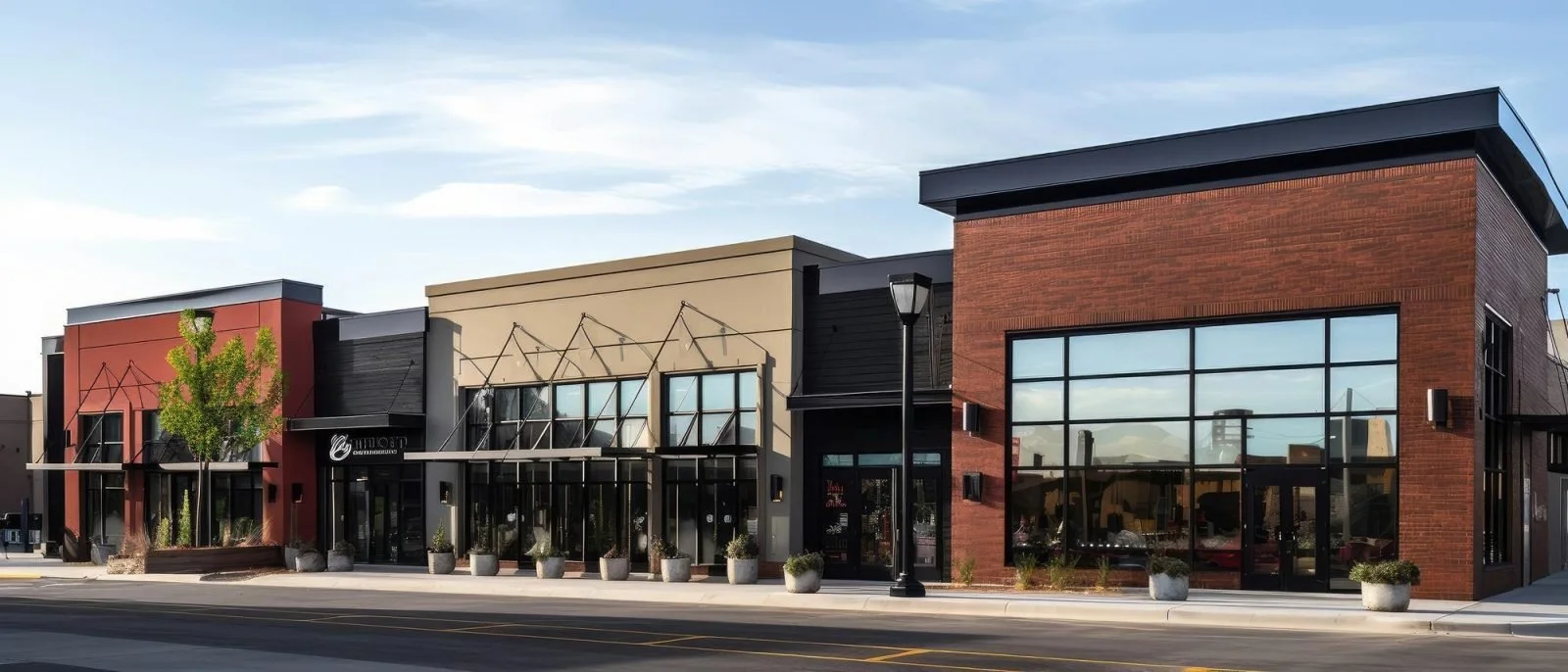
Comparing available space across shopping centers is where a tenant rep broker earns their fee.
Quick Summary
The right retail tenant representation broker brings five things to your search: retail leasing experience, local trade-area knowledge, data-driven site selection, strong lease negotiation skills and a commitment to representing only your interests. What separates a strategic advisor from a salesperson is how a broker evaluates a site and negotiates the full lease, not how many listings they can send. Before you sign a representation agreement, ask who will handle your account and how they judge a location.
Opening a new store or restaurant ties up years of rent, build-out costs and staff in one address. If that address is wrong, no amount of good merchandising fixes it.
Choosing the right retail tenant representation broker can make the difference between a successful location and a costly mistake. A good broker does more than find available space. They help retailers identify profitable locations, negotiate favorable lease terms, and plan for long-term growth. For Evergreen Commercial Realty, retail tenant representation is the core of what our Houston team does for retailers and restaurateurs.

A data-driven site review compares trade areas, traffic and competition before a lease is signed.
What a Retail Tenant Representation Broker Does for Houston Retailers
A tenant representation broker works for the business leasing the space, not for the property owner. The landlord's leasing agent is paid to fill the center at the best terms for the owner. A retailer who negotiates alone usually sits across from a professional with the opposite goal.
Tenant representation in Houston covers the whole path to an open door. That means defining the trade areas worth targeting, comparing sites, requesting proposals from several landlords at once and negotiating the lease through to signing. For a chain, it extends into an expansion plan that sequences the next several locations.
5 Factors to Consider When Choosing a Retail Tenant Rep Broker
Here are five factors to consider when selecting a retail broker.
1. Retail Market Experience
Look for a broker with extensive retail leasing experience, particularly with tenants similar to your business. Retail real estate requires specialized knowledge of consumer behavior, site selection, accessibility, and competition.
A broker who mostly leases office or industrial space reads a site differently from one who has spent decades on shopping centers, pad sites and restaurant spaces. In a 5-star review, Dawn described Evergreen's president as "a proven industry expert specific to the retail real estate sector." That kind of specialization is what to test for in an interview.
2. Local Market Knowledge
An experienced broker understands trade areas, traffic patterns, demographics, development activity, and rental trends. They should also have strong relationships with landlords, developers, and other brokers to identify opportunities that may not be publicly marketed.
Houston rewards that depth. The metro spreads across dozens of distinct suburbs and corridors, and two centers a mile apart can draw entirely different shoppers. Our Houston retail real estate team has worked on projects such as CityCentre in west Houston. Hands-on experience with how a mixed-use district leases up and performs is what a tenant should look for.
3. Data-Driven Site Selection
Successful site selection involves more than finding an attractive shopping center. Your broker should use demographic analysis, mobile location data, traffic counts, and competitive mapping to evaluate a location's potential for success.
Good retail site selection turns those inputs into a short list you can defend to partners or lenders. Ask a prospective broker to show you how they would compare two of your candidate sites, and listen for evidence rather than adjectives.
4. Strong Negotiation Skills
Rent is only one component of a retail lease. An experienced broker negotiates tenant improvement allowances, operating expenses, renewal options, signage rights, and other provisions that can significantly affect occupancy costs and profitability.
Retail lease negotiation also covers clauses tenants overlook until they matter: exclusive use rights, co-tenancy provisions and the terms for assigning the lease if the business is sold. A landlord client, Amit, called the Evergreen team "highly experienced in finding/negotiating deals" in a 5-star review, and the same skill set works on behalf of tenants.
5. Commitment and Representation
Choose a broker who prioritizes your business objectives, communicates consistently, and identifies potential conflicts of interest. Ask who will personally handle your account and whether the broker has the resources to support your expansion plans.
Conflicts matter in retail because many brokerages also lease shopping centers for landlords. That is not disqualifying, but the broker should disclose it in writing and explain how your interests are protected when a site they represent is on your list.
Questions to Ask a Commercial Real Estate Broker in Houston Before You Sign
A short interview tells you more than a polished presentation. These questions bring the five factors into focus:
Which retail or restaurant tenants similar to my concept have you represented?
Who will personally handle my search, and who backs them up?
How will you build the list of trade areas and sites, and what data will you use?
Do you represent landlords at any centers you might show me, and how will that be disclosed?
Which lease terms beyond base rent will you focus on for my concept?
How are you compensated, and will that be spelled out in a written agreement?
If we grow beyond Houston, how will you support locations in other markets?
Strong answers are specific: named deal types, a clear process and a written representation agreement. Vague answers to the conflict and compensation questions are worth noting.
The Bottom Line on Choosing a Tenant Representation Broker in Houston
The best retail tenant representation broker is a strategic advisor, not simply a salesperson. Their value comes from helping you make informed real estate decisions, avoid expensive mistakes, and position your business for long-term success.
At Evergreen Commercial Realty, we combine decades of retail experience, in-depth Houston market knowledge, and sophisticated site selection analytics to help retailers secure locations that support their business goals. The firm is led by Lilly Golden, CCIM, who brings more than 35 years in commercial real estate. Through the Site Source Retail Broker Network, Houston clients also gain access to about 45 member brokerage firms across the country when expansion reaches other markets.
If you are weighing a new location or a renewal, contact our team to talk through your trade areas and timeline.
Frequently Asked Questions About Retail Tenant Representation
What are real estate reps?
Real estate reps are licensed brokers or agents who represent one side of a property transaction. In retail leasing, a tenant rep advocates for the business taking the space, while a landlord rep markets the property for its owner. Knowing which side a broker is on tells you whose interests they are bound to put first, so confirm it in writing before any site tour or proposal.
What is the broker fee for commercial real estate?
In most retail lease transactions, the tenant's broker is paid from the leasing commission the landlord pays, rather than by the tenant directly. Arrangements vary by deal, market and agreement, however. Before you start a search, ask your broker to put their compensation in a written representation agreement so there are no surprises about who pays, when and under what conditions.
What is retail real estate?
Retail real estate is property leased or sold to businesses that sell goods and services directly to consumers. It includes neighborhood and community shopping centers, grocery-anchored centers, freestanding buildings, pad sites near major roads and street-level space in mixed-use developments. Each type draws a different customer pattern, which is why the right format for your concept should be settled before you start comparing individual sites.
What is the best commercial real estate brokerage?
The best commercial real estate brokerage is the one whose specialty matches your property type and market. A firm that excels at office towers may not know which corners of a suburb support a quick-service restaurant. For a retailer, prioritize a brokerage with deep retail leasing history, local relationships, data-backed site analysis and a willingness to represent your side alone.
Call (713) 664-3634 to request a quote with Evergreen Commercial Realty.
Texas real estate brokerage services are regulated by the Texas Real Estate Commission. Ask any broker for the Information About Brokerage Services form and the Consumer Protection Notice.